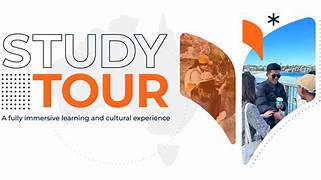
Study Tour
A Study Tour is an educational trip organized by schools, colleges, or universities to provide students with practical exposure beyond the classroom. Unlike regular field trips, study tours are designed to complement the academic curriculum, allowing students to observe, interact, and learn in real-world environments. During a study tour, students visit museums, historical sites, research institutions, industries, or natural reserves, gaining firsthand experience of concepts studied in class. These tours foster curiosity, critical thinking, and a deeper understanding of subjects such as science, history, geography, and arts. Additionally, study tours encourage teamwork, communication skills, and cultural awareness as students engage with peers and communities outside their regular environment. Teachers and guides play a vital role in explaining and connecting theoretical knowledge to practical observations. Overall, study tours transform learning into an enjoyable and meaningful experience, bridging the gap between theory and practice. They not only enhance academic knowledge but also inspire lifelong learning, broaden perspectives, and create memorable educational experiences for students.